
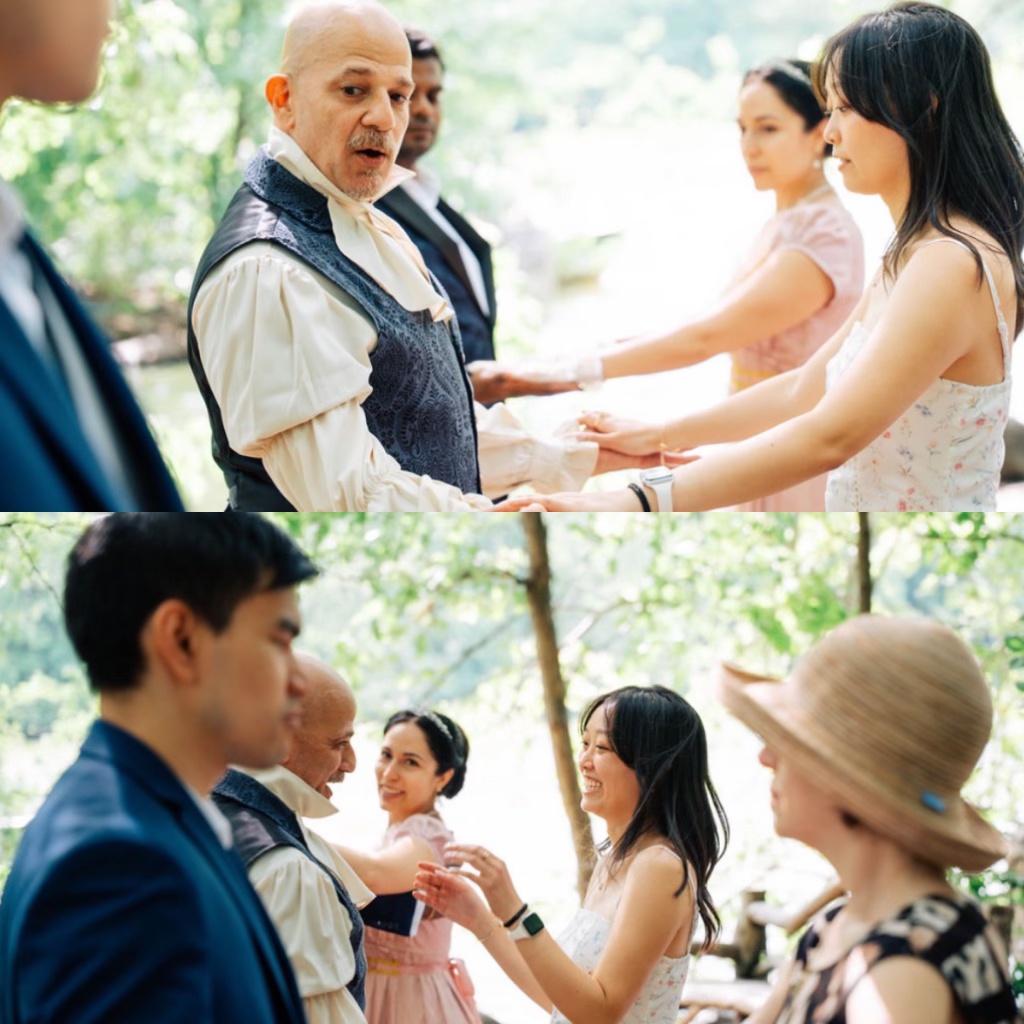
THE REGENCY 1700s
Elegance. Etiquette. The Five Dances That Defined an Era.
Everything you need to know about the era — the history, the fashion, the etiquette, the dances, and how we're bringing it all to life at Bridgerton in the Park.
What Was the Regency Era?
The Regency era (roughly 1795–1837) was a period of elegance, cultural refinement, and social transformation in England and across Europe. It was the age of Jane Austen, grand ballrooms, and the rise of romantic ideals. Society revolved around the ballroom — where dances were not just entertainment, but a language of courtship, status, and connection.
This was a world of calling cards, garden promenades, formal introductions, and the art of the bow. Your reputation could rise or fall in a single dance. The way you entered a room, the way you held your posture, the way you addressed a stranger — everything was a performance, and the ballroom was the stage.
The Regency era, rooted in the 1700s, saw five defining dances emerge — each one reflecting the evolving culture, romance, and rebellion of the times. From the formal Minuet to the scandalous Waltz, these dances told the story of an era in motion.
1700s
The Regency period — the height of refined society
Jane Austen
The literary voice of the era — Pride & Prejudice, Sense & Sensibility
The Ballroom
The center of social life — courtship, status, and connection
Calling Cards
The social currency of the era — your introduction to society
The World of the Regency Era
Society & Class
The Regency era was defined by strict social hierarchies. Your family name, your wealth, and your connections determined your place in society. The ballroom was where alliances were formed and fortunes were made.
Romance & Courtship
Courtship was a public affair — conducted through dances, promenades, and carefully worded letters. A gentleman couldn't simply approach a lady. Introductions had to be made. Calling cards had to be exchanged. Every interaction was choreographed.
Art & Literature
This was the age of Romanticism — Byron, Shelley, Keats, and Jane Austen. Art, poetry, and literature celebrated emotion, nature, and the individual spirit. The novel became the dominant literary form.
Music & Dance
Music was central to social life. Orchestras played at every ball. The piano was in every parlor. And the dances — the Minuet, the Cotillion, Country Dancing, the Quadrille, and eventually the Waltz — were the heartbeat of the era.
What They Wore in the 1800s
Fashion in the Regency era was defined by flowing empire-waist gowns, tailcoats, cravats, and the kind of understated elegance that still inspires today. The aesthetic was light, airy, and refined — designed for movement, for dancing, and for making an impression.
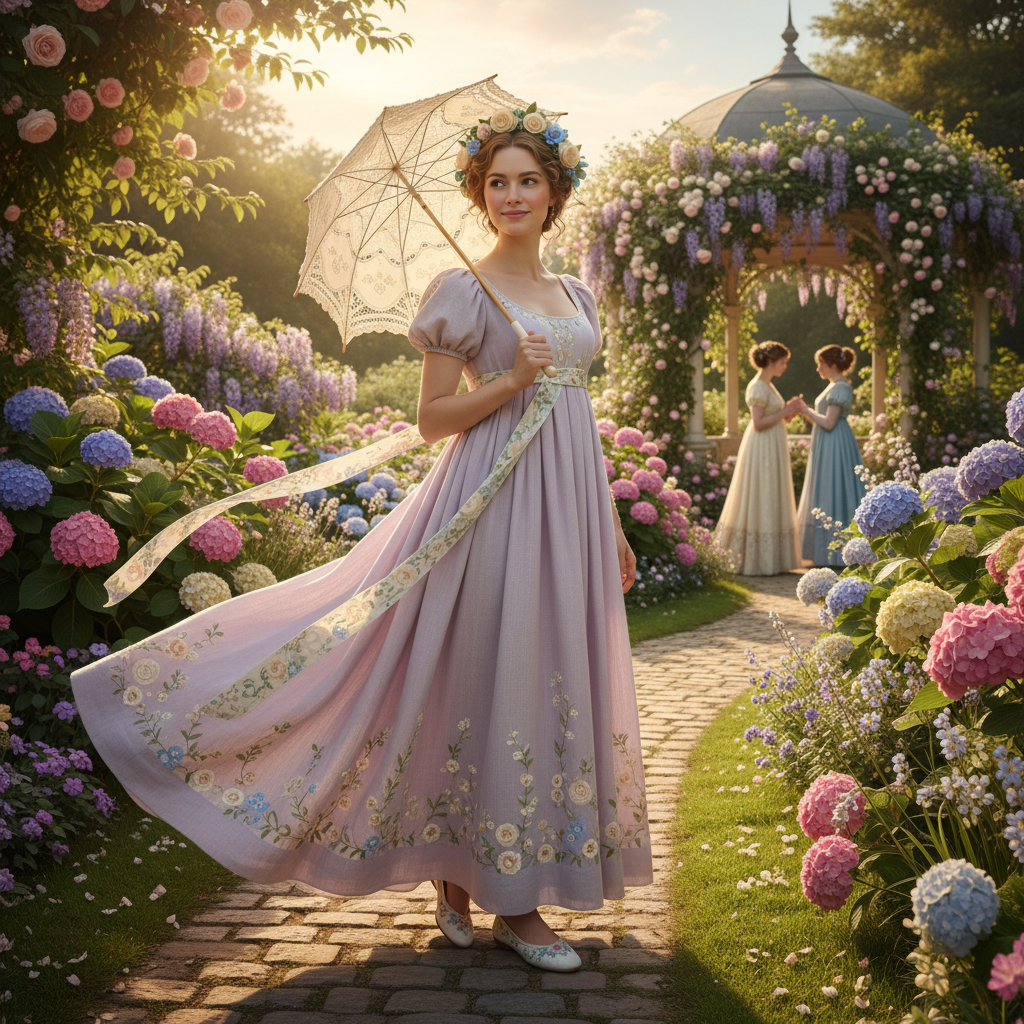
Women's Fashion
The Ladies
- › Empire-waist gowns — High waistline just below the bust, flowing skirts that move beautifully when dancing
- › Pastels & soft colors — Lavender, blush, mint, cream, soft blue — light and airy for garden parties
- › Cap sleeves & lace — Delicate details that added femininity without excess
- › Shawls & wraps — For modesty and warmth, draped elegantly over the shoulders
- › Parasols — Both functional and fashionable, a signature accessory of the era
- › Gloves & ribbons — Long gloves for formal occasions, ribbons in the hair
- › Comfortable shoes — Flat or low-heeled slippers designed for dancing on grass and ballroom floors
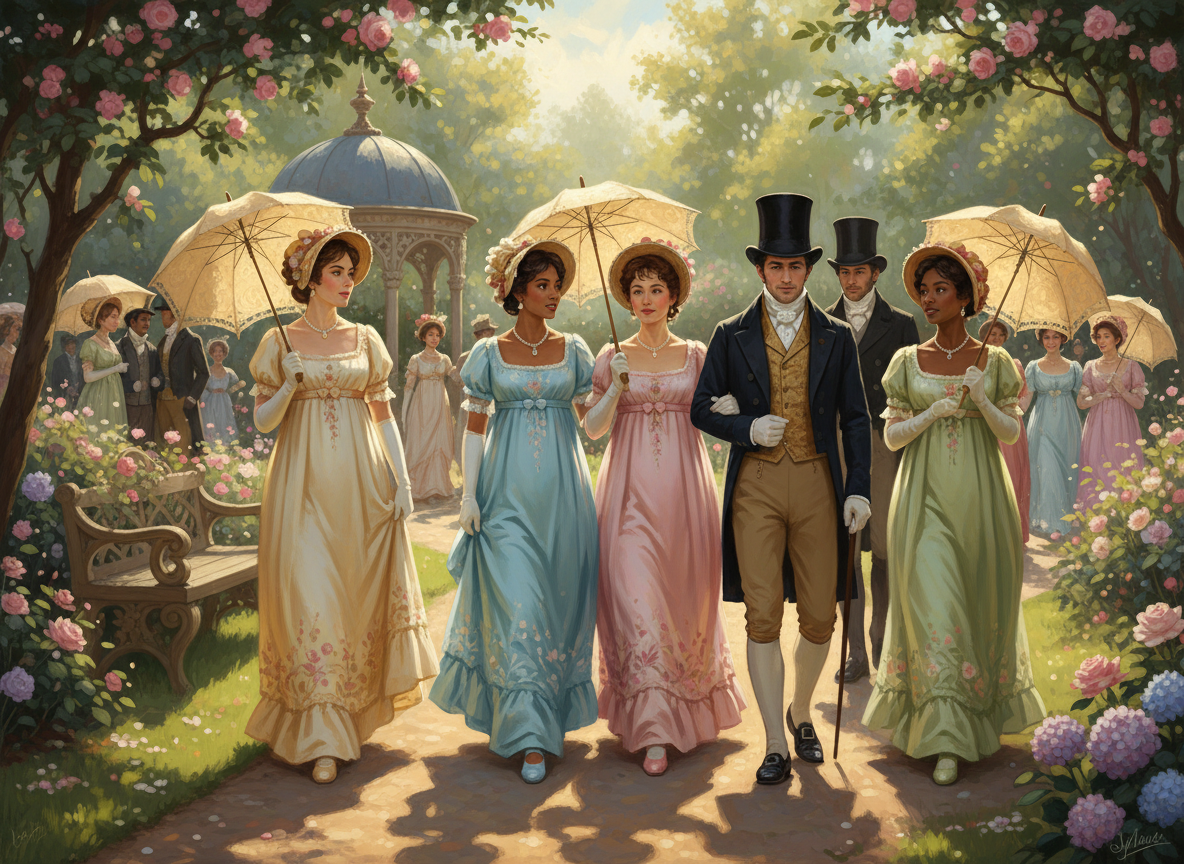
Men's Fashion
The Gentlemen
- › Light tailcoats — Not a tuxedo — think fitted, elegant coats in cream, navy, or earth tones
- › Ornate waistcoats — Embroidered vests in rich fabrics, the centerpiece of a gentleman's outfit
- › Cravats — The precursor to the modern tie, tied in elaborate knots at the neck
- › Tailored breeches or trousers — Fitted, clean lines, tucked into polished boots
- › Polished boots — Hessian boots or ankle boots, always clean and presentable
- › Top hats (optional) — For the full effect, though not required for outdoor garden parties
- › Elegant but comfortable — The vibe is refinement, not formality. Think garden party, not black tie.
The Vibe: Bridgerton-inspired Spring/Summer Garden Party. Elegant but comfortable. Light colors, flowing fabrics, and the kind of outfit that makes you feel like you stepped out of a Jane Austen novel. Not a costume party — a time-travel experience.
The Rules of Regency Society
In the Regency era, etiquette wasn't optional — it was everything. How you greeted someone, how you entered a room, how you asked for a dance — every interaction had rules. Charm was currency. Introductions were proper. And the promenade set the tone.
Introductions
You could not simply approach someone. A mutual acquaintance had to introduce you. Without a proper introduction, speaking to a stranger was considered extremely rude.
Calling Cards
When visiting someone's home, you left a calling card — a small printed card with your name and title. It was your social passport. At our event, guests bring 10–20 calling cards for introductions and social challenges.
The Bow & Curtsy
Gentlemen bowed. Ladies curtsied. The depth and style of your bow or curtsy communicated respect, familiarity, and social standing. A shallow bow to an equal. A deep bow to someone of higher rank.
The Promenade
A formal group walk — the Regency equivalent of a red carpet entrance. Couples walked arm-in-arm through the garden, observed by all. It set the tone for the entire event and was the first impression.
Dance Invitations
A gentleman had to formally ask a lady to dance. Refusing was considered a serious insult — unless you had a legitimate excuse. If you refused one gentleman, you couldn't dance with another for the rest of the evening.
Conversation
Topics were carefully chosen. Politics and money were avoided. Compliments were subtle. Wit was prized above all. The art of conversation was as important as the art of dance.
The Toast
A group toast was a moment of unity — raising glasses to new acquaintances, to the host, or to the occasion. In the Regency era, toasts were formal and meaningful.
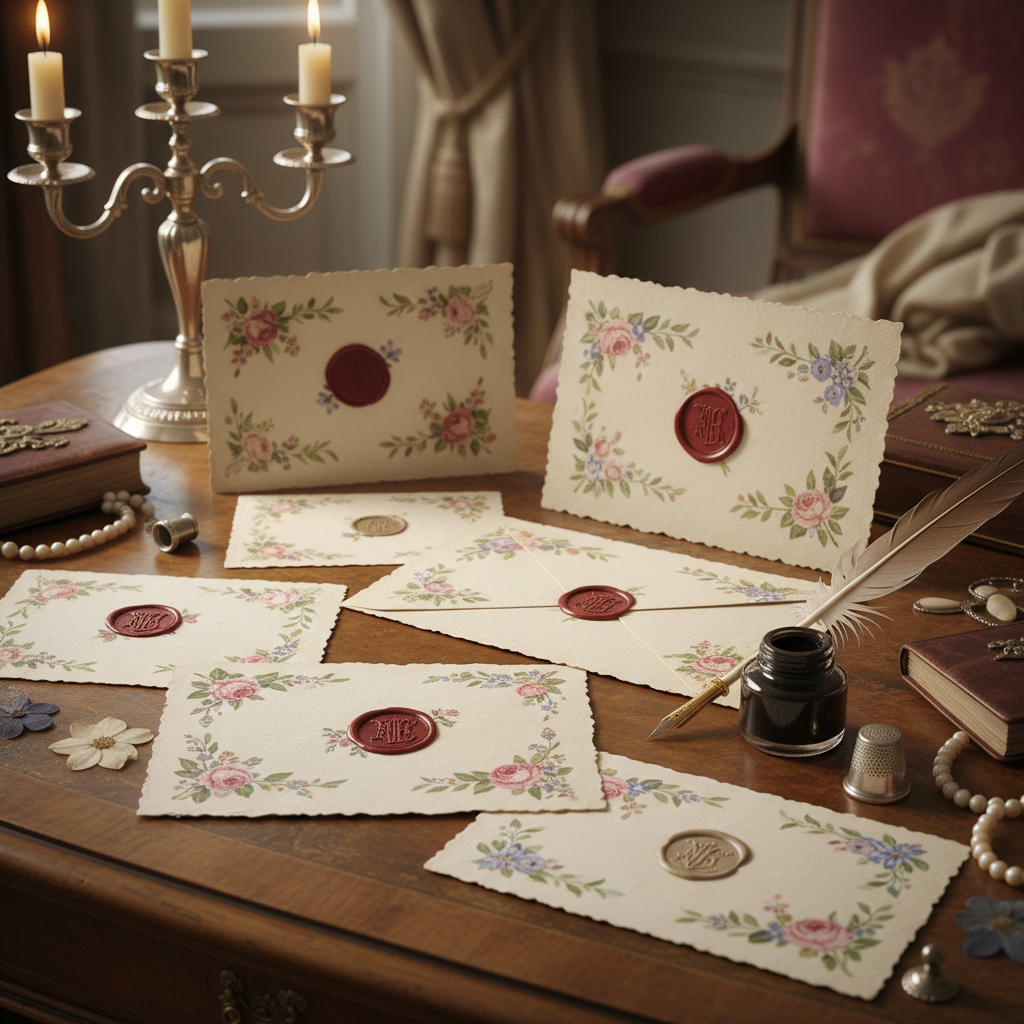
The Calling Cards
Wax seals, quill pens, and Regency-era etiquette.
“Step into the 1800s for a day — where introductions are proper, charm is currency, and the promenade sets the tone.”
— House of Decades
Guest Prep
What to Bring
- ✓ 10–20 calling cards (handmade or printed)
- ✓ Bridgerton-inspired garden party attire
- ✓ Comfortable shoes for grass/walking
- ✓ Water bottle
- ✓ A sense of adventure and willingness to play
Five Dances. Five Decades. The Full 19th Century.
Each hour of our time-travel experience covers 20 years of the 1800s, with its own dance, aesthetic, music, and atmosphere. The Waltz closes the afternoon as the most romantic and modern dance of the era — the Grand Finale.
The Minuet
The Most Formal — Oldest & Slowest
Small, precise steps. Bows and curtsies. The minuet was the most refined dance of the Regency era — a display of grace, posture, and social standing. By the Regency period it was fading from fashion, but it remained the gold standard of elegance. Think of it as the opening ceremony of the garden party.
Fun Fact
“The minuet was basically the red carpet walk of its time — everyone watched, everyone judged, and your reputation could rise or fall in a single bow.”
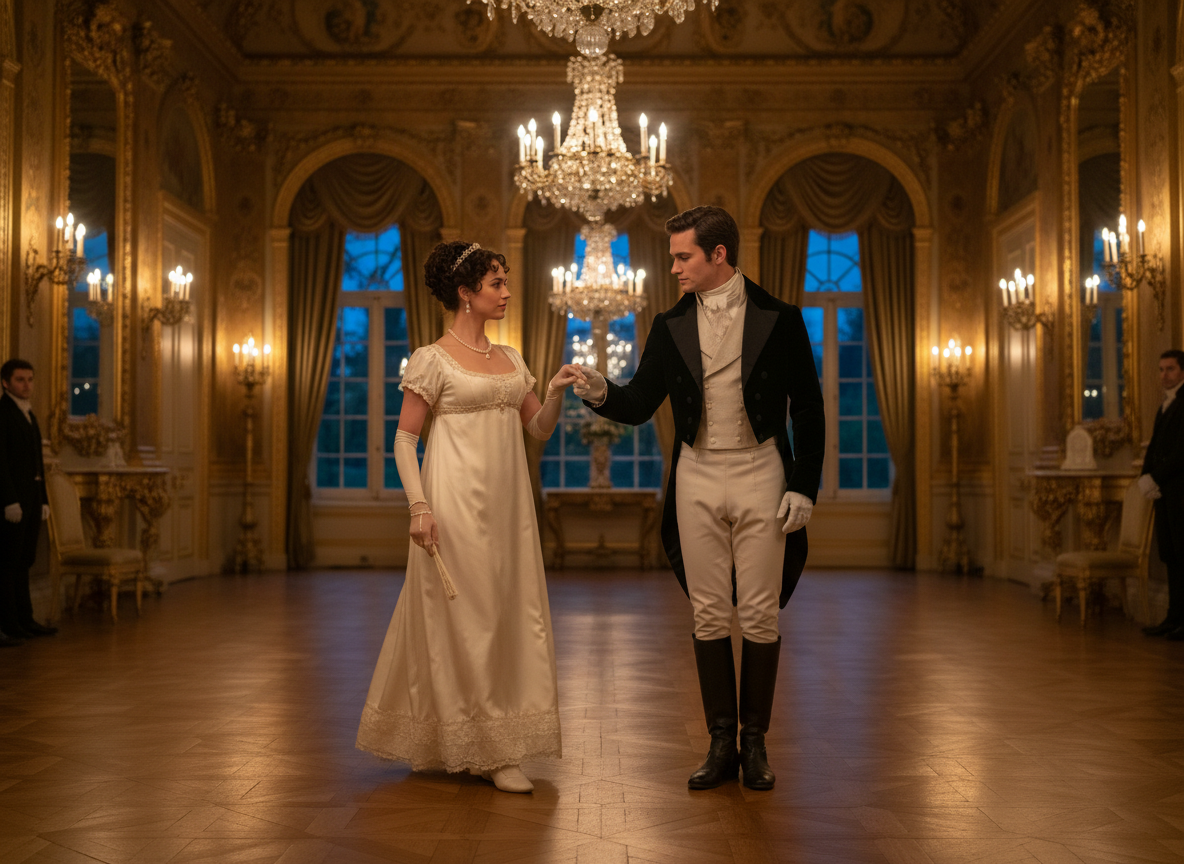
The Minuet · 1800–1820
The Cotillion
The Icebreaker — Lively & Playful
A group dance similar to the quadrille but slightly less rigid — more improvisational and playful. Often used to open a ball, the cotillion was a way to get everyone on the dance floor at the start of an event. It set the tone — energetic, inclusive, and celebratory. It also gave people a chance to dance with multiple partners without it being scandalous.
Fun Fact
“The cotillion was the icebreaker of the Regency ballroom. It got everyone moving, laughing, and ready for the rest of the afternoon.”
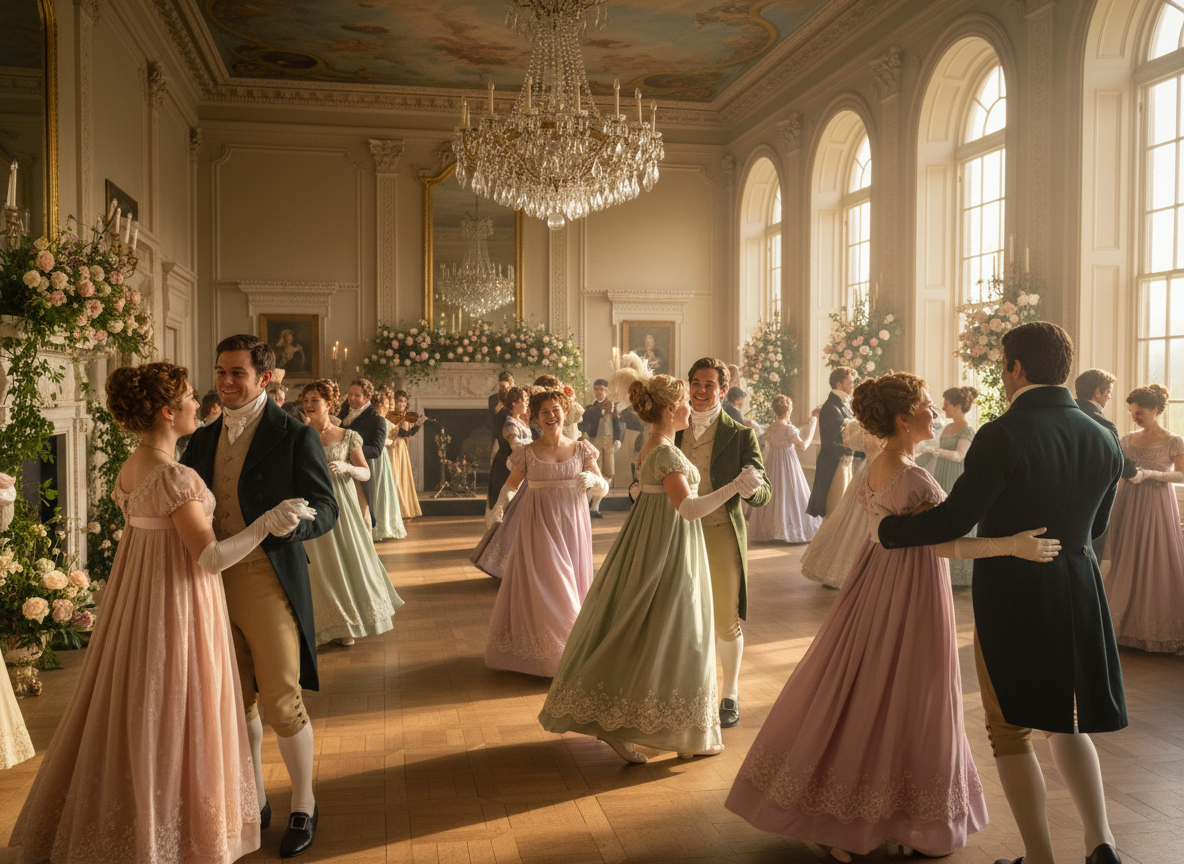
The Cotillion · 1820–1840
Country Dancing
The High-Energy Crowd Pleaser — Everyone Moving
Long lines of couples facing each other, with lots of movement and social interaction. Country dances were the oldest tradition — long-running English social dances that remained extremely popular through the Regency era. They were the most energetic, the most inclusive, and the most fun. No partner needed — you could jump in and join the line.
Fun Fact
“Country dancing was the party anthem of the Regency era. When the country dances started, everyone was on the floor — no exceptions.”
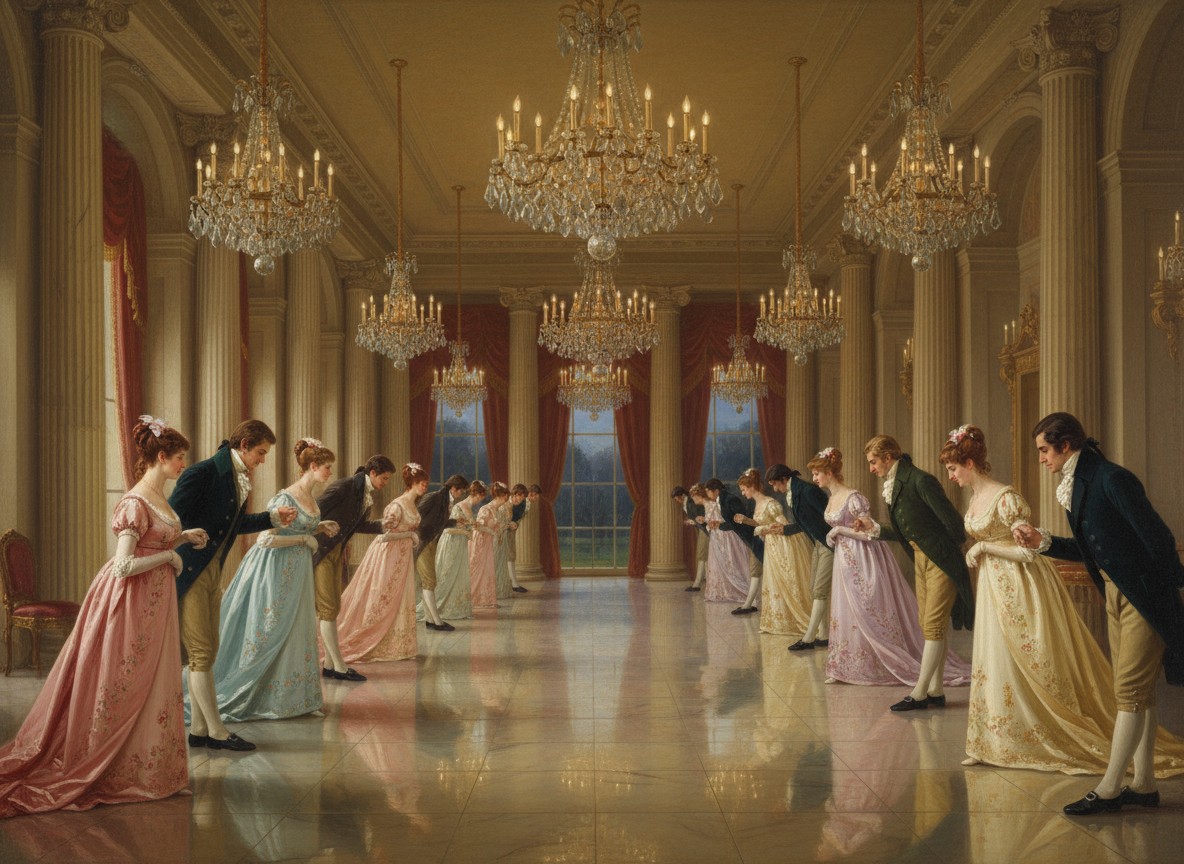
Country Dancing · 1840–1860
The Quadrille
The Group Project — Structured & Social
A square dance for four couples arranged in formation. The dance is structured in multiple 'figures' — choreographed sections with specific steps. Couples advance, retreat, turn, and promenade. The quadrille was the dance of the Regency ballroom — it required skill, coordination, and was a major social event. It also allowed flirtation without being too intimate.
Fun Fact
“The quadrille was like the group project of the ballroom — everyone had to know their steps, or the whole thing fell apart. Mess up? The entire garden watches.”
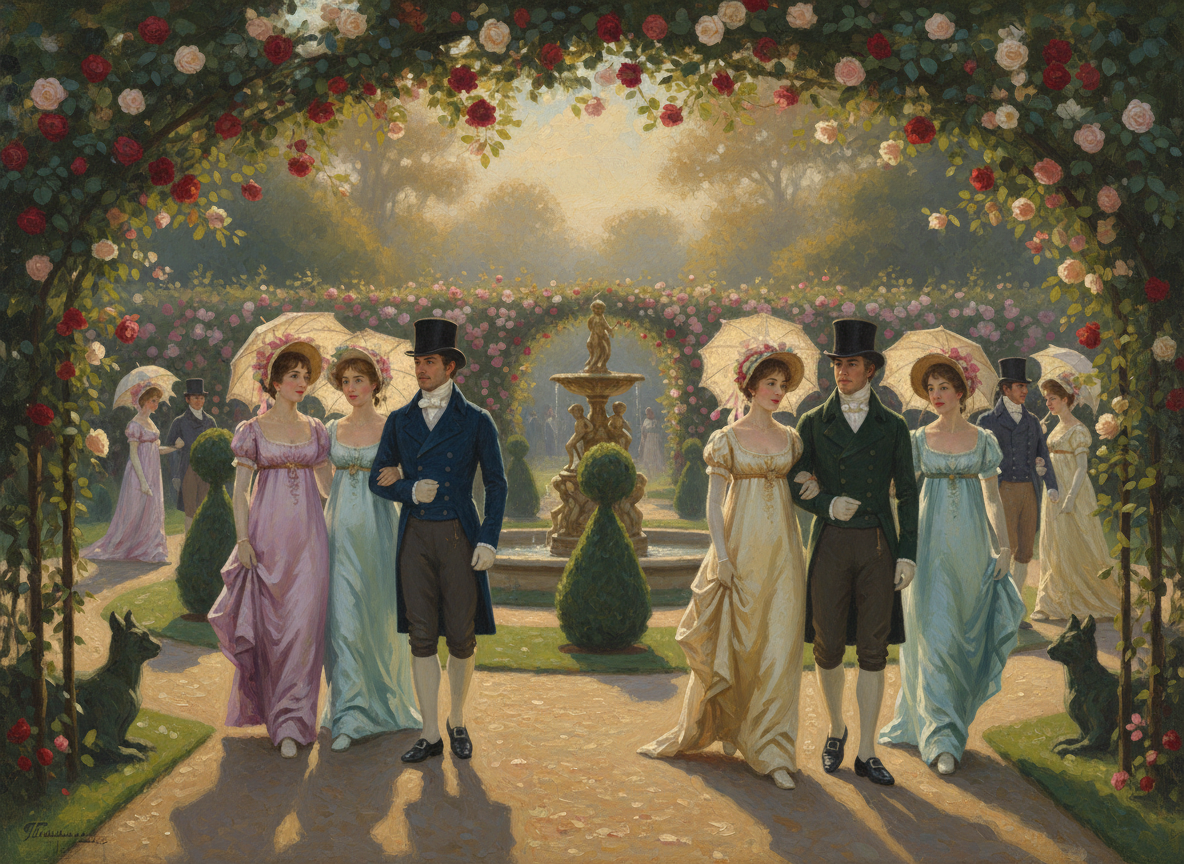
The Quadrille · 1860–1880
The Waltz
The Scandalous One — Romantic & Revolutionary (Grand Finale)
A partner dance in 3/4 time with a turning, rotating motion. Partners held each other closely — the gentleman's hand on the lady's waist, her hand on his shoulder. The waltz was revolutionary and scandalous for the Regency era. Before it, dances were mostly group formations where partners barely touched. The close hold was considered shockingly intimate. Parents were horrified. Young people loved it. It changed everything.
Fun Fact
“The waltz was basically the TikTok dance of its time — parents hated it, young people couldn't get enough of it, and it changed everything.”
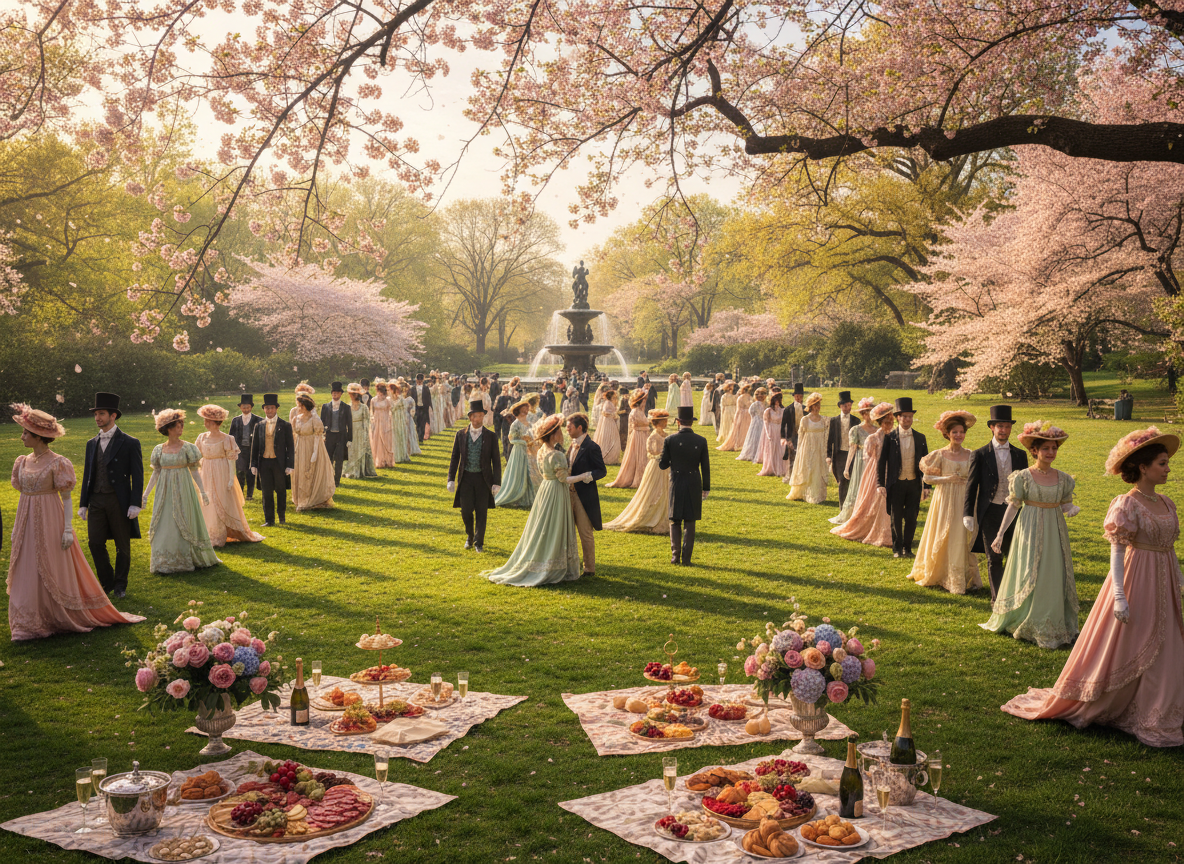
The Waltz · 1880–1900
Bridgerton in the Park — Our Story
This is how we're playing the game. Bridgerton in the Park is Event #1 of the Dance of Decades pop-up series — a Regency era, 1700s time-travel garden party in Central Park.
This isn't just a dance event. It's an immersive experience where you dress up, mingle, learn etiquette, play games, take photos, and yes, waltz if you want to. Dancing is optional. Connection is guaranteed.
Full Event Details
Bridgerton in the Park
Sunday, June 7, 2026 · Central Park, NYC · $65 per person · Very limited spots.
Your Hosts
Caterine Sanchez
Queen of the Garden · Lead Waltz Instructor
Designer, dancer, and creative force — Caterine brings grace, precision, and warmth to every class. Her aesthetic is refined and feminine, inspired by global traditions and cultural intersections. She is the queen of the garden, and every detail fulfills her dream come true.
Xavier Marzan
The Gentleman of the Garden · Founder, XIM
Classically trained dancer, certified ballroom instructor, and experiential event curator with 20+ years in hospitality and entertainment. Xavier is the host who makes everything come to life — the dance instruction, the cultural storytelling, and the energy that turns an afternoon into a memory.
Ready to Step Into the 1800s?
Now you know the era — the fashion, the etiquette, the dances, and the story. The next step? Join us in Central Park on June 7, 2026. Spots are intentionally limited to keep this intimate.
Part of the Dance of Decades Pop-Up Series by X-CURSIONS IN MOTION · A Dynamic Dance XM Production
Refund policy: No refunds.