Guayabera Night
1950s New York Latin Vibes
Dominoes. Mambo. Cocktails. An immersive cultural experience celebrating the 1950s Caribbean golden age in New York City. More details coming soon.
Date
Coming Soon
Time
Coming Soon
Venue
Coming Soon
Access
Open to the Public
The Vibe · Real Moments

The Look

The Toast
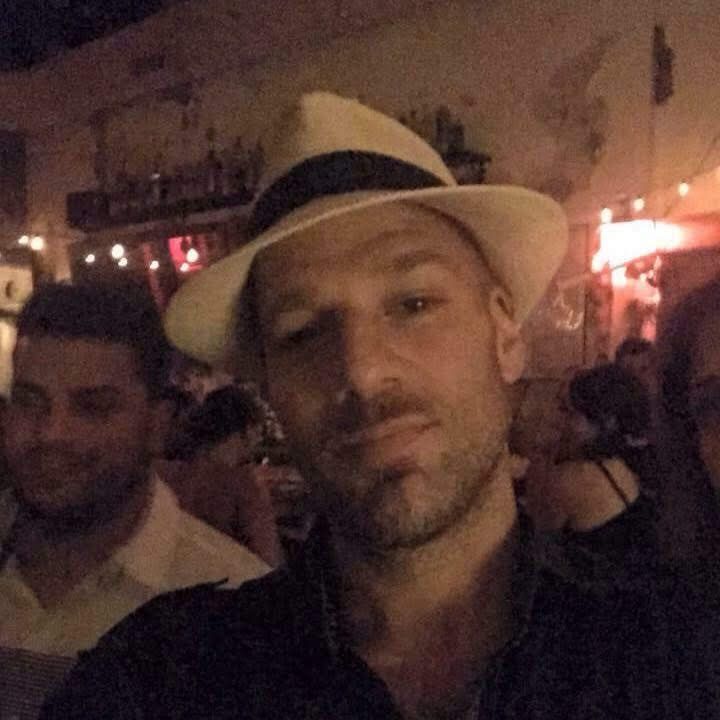
The Host
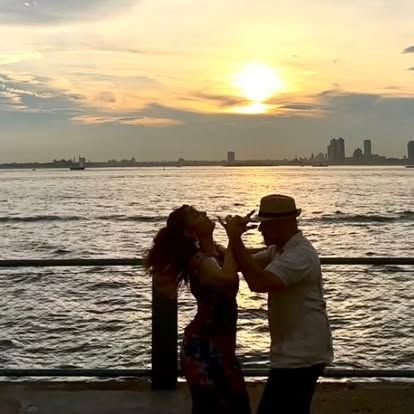
The Dance
The Vibe · Real Moments
Dancing. Dominoes. Culture.
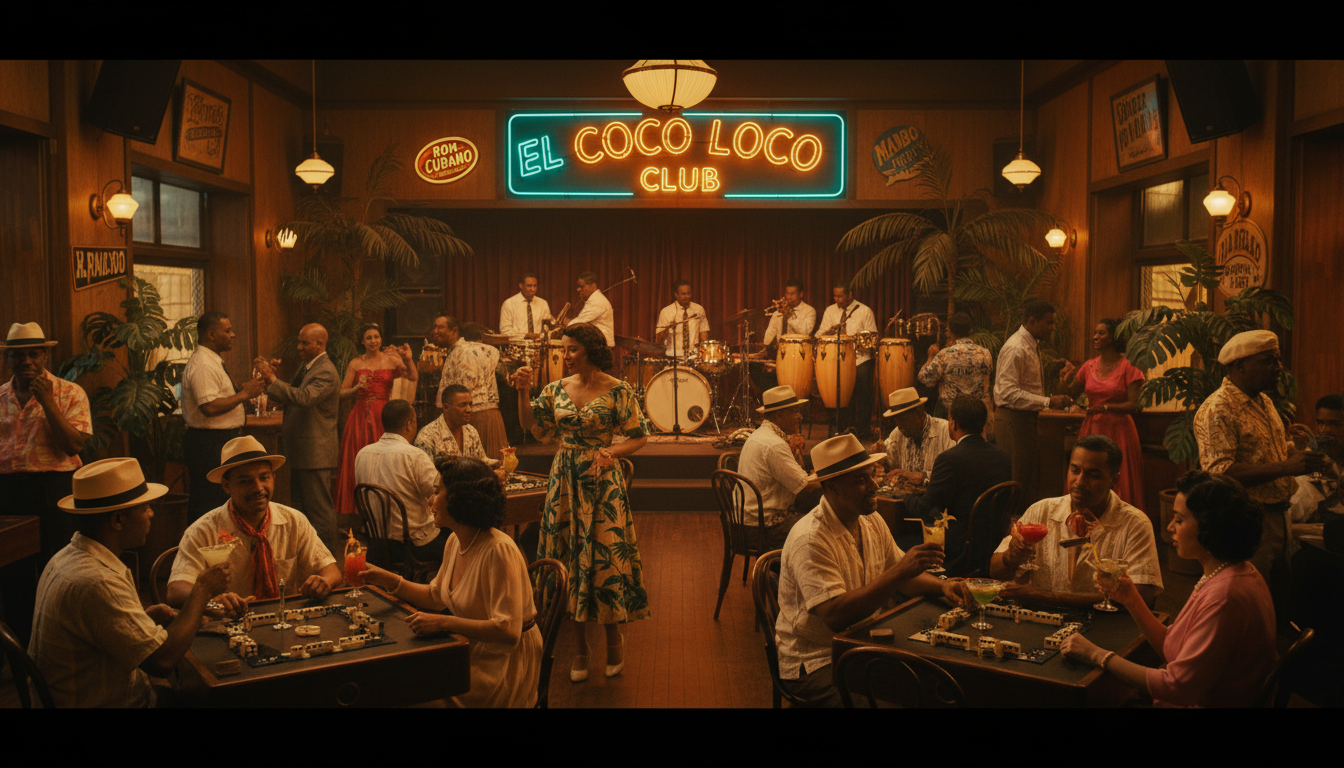
This is what Guayabera Night looks like — guayaberas, Panama hats, cocktail dresses, couples dancing Mambo, and the domino table running all night. The 1950s Caribbean golden age, brought back to life.
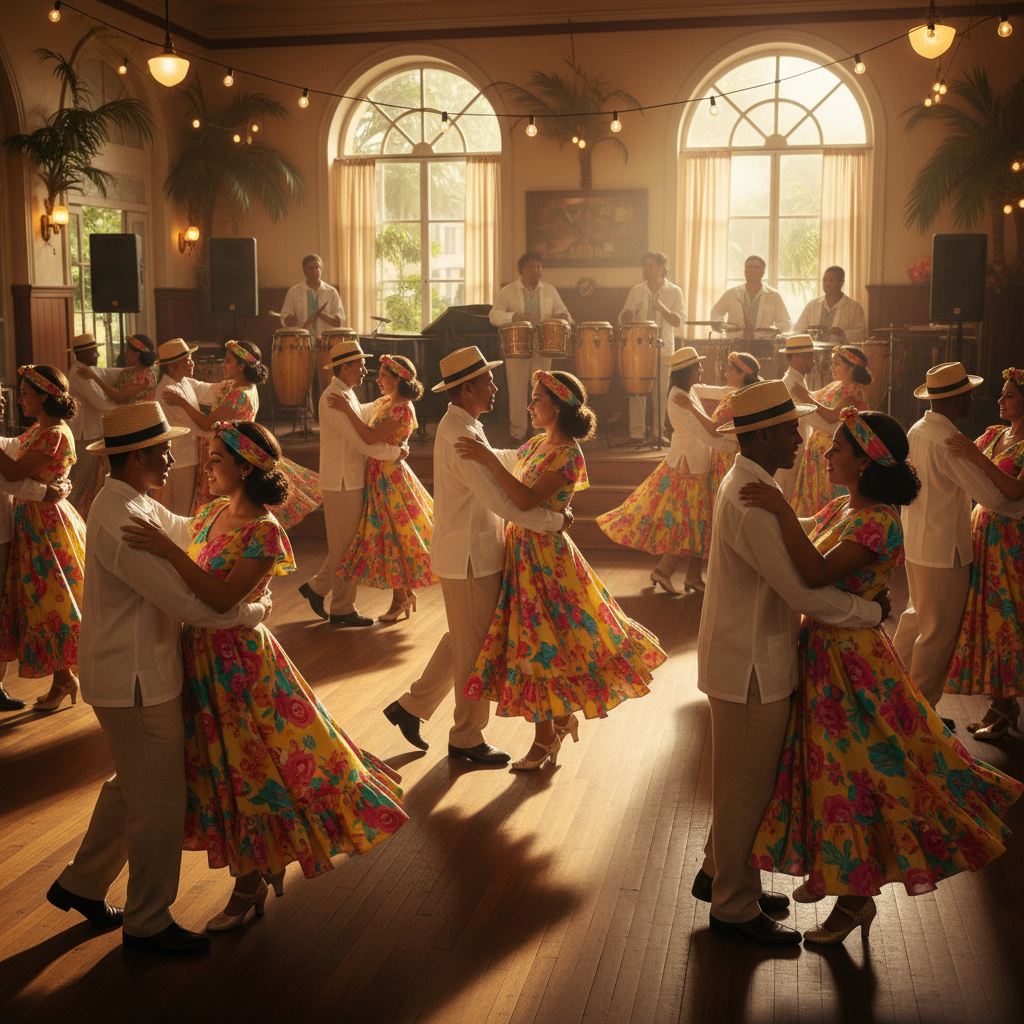
The Dance
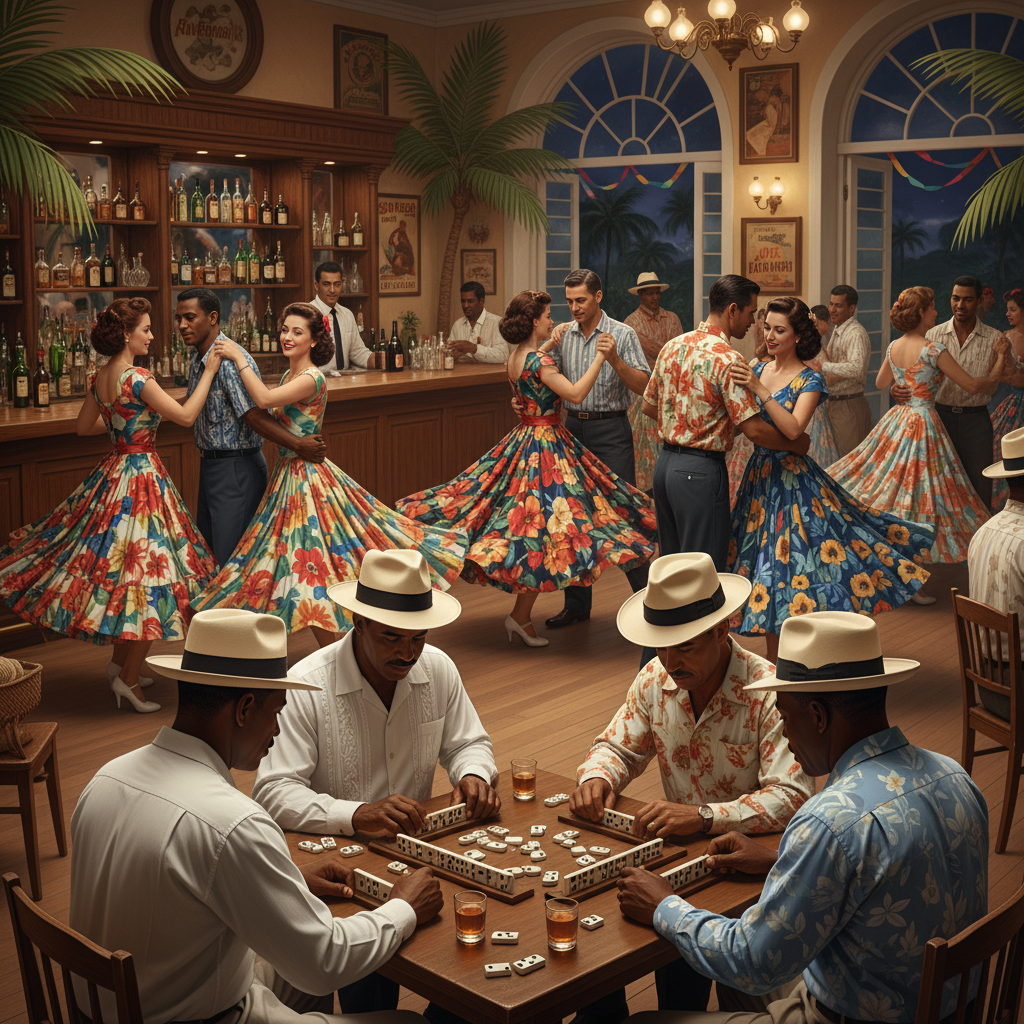
Dance & Dominoes
The Look
The Roots · Old San Juan, Puerto Rico
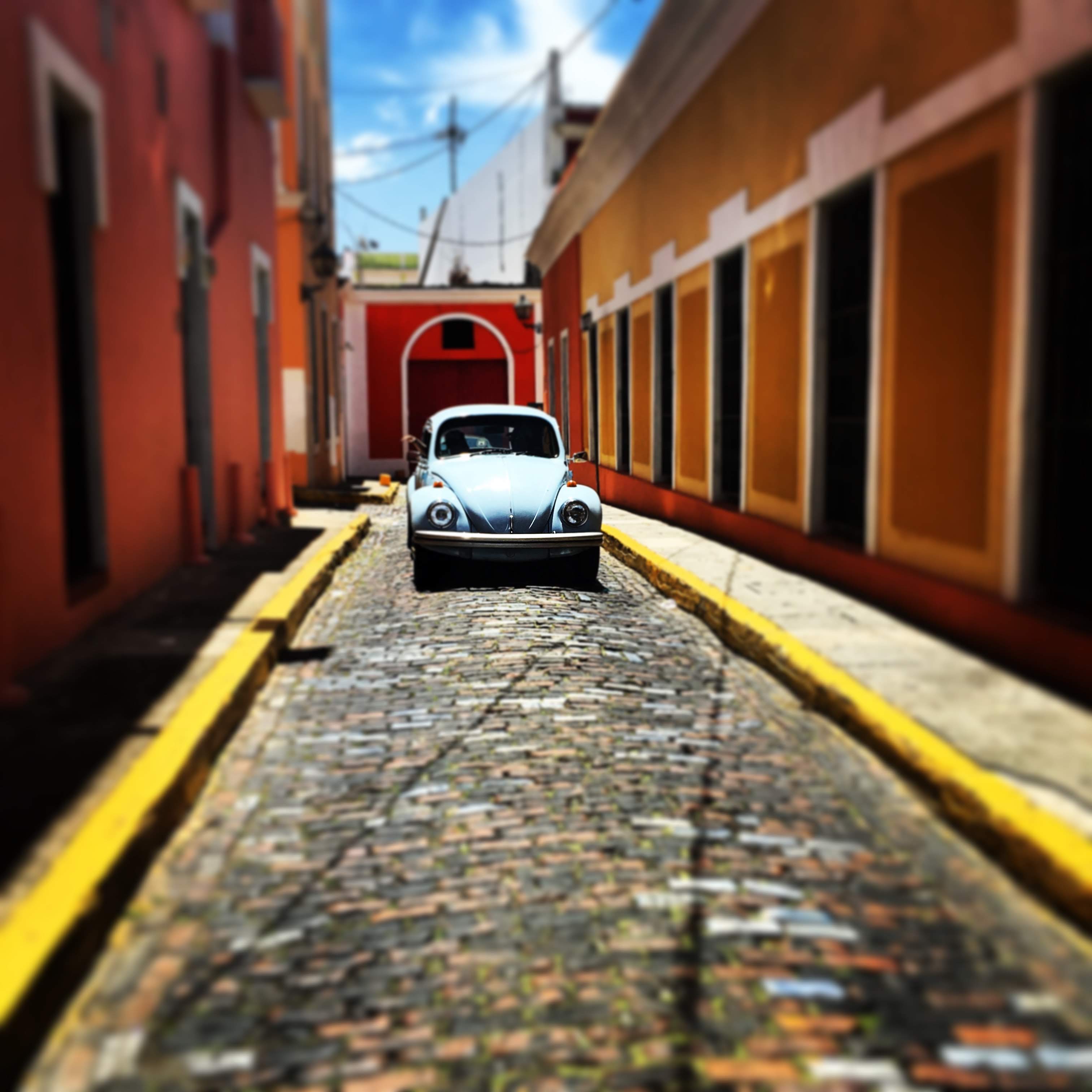
Old San Juan
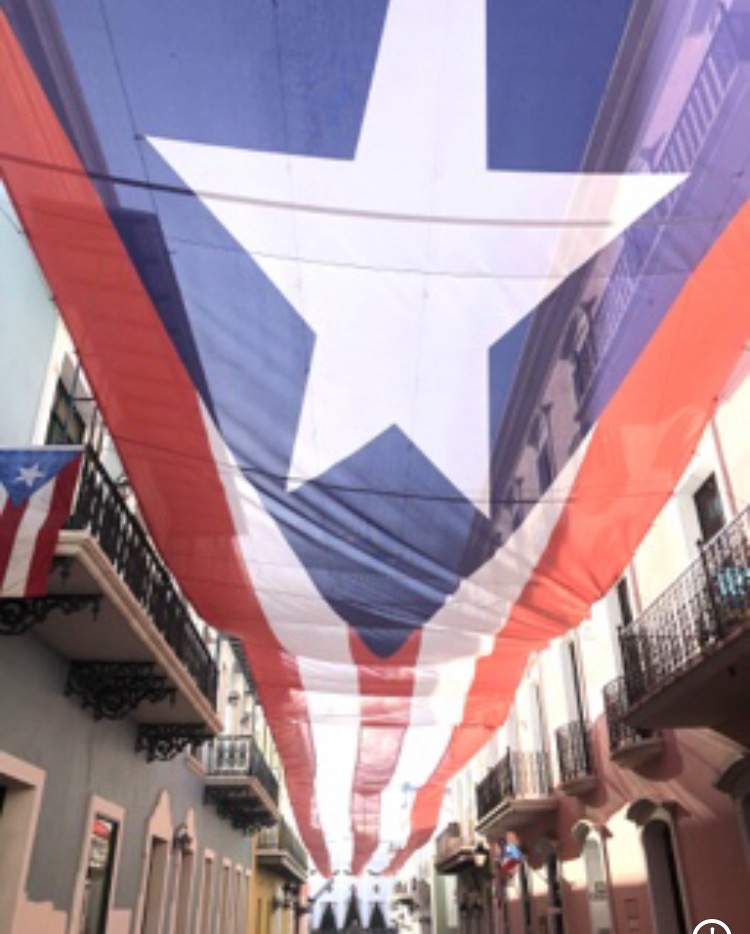
La Bandera
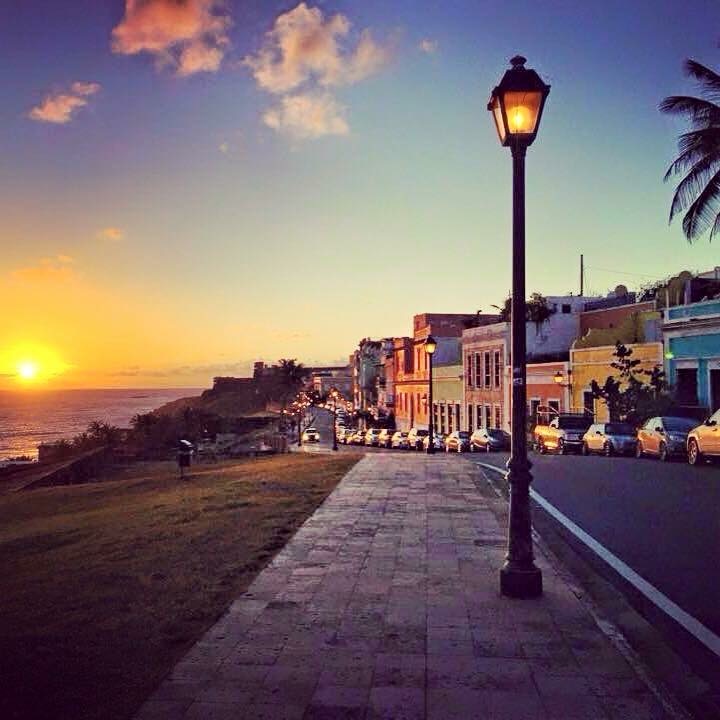
La Puesta del Sol
The Event
Guayabera Night — Coming Soon
Series
Latin Vibes Vol. 1
Experience
Dominoes · Mambo · Cocktails
Dance
Salsa Lesson Included
Venue
Coming Soon
🕕 The Night's Programming
Old-School Experience · Cha-Cha Class · VIP Tables · Dominoes · Photo Moments
Mambo Class · Old-school Mambo & Cha-Cha instruction
Modern Salsa class + party · DJ spinning all night
Live Latin Percussion
Dress the Era
1950s Caribbean Outfit Inspo
Keep it real, keep it colorful. The 1950s Caribbean was all about elegance with island soul — guayaberas, linen, fedoras, tropical prints, and the kind of style that made the Palladium Ballroom the most glamorous room in New York City. These looks capture that energy. Come dressed, come ready, come alive.
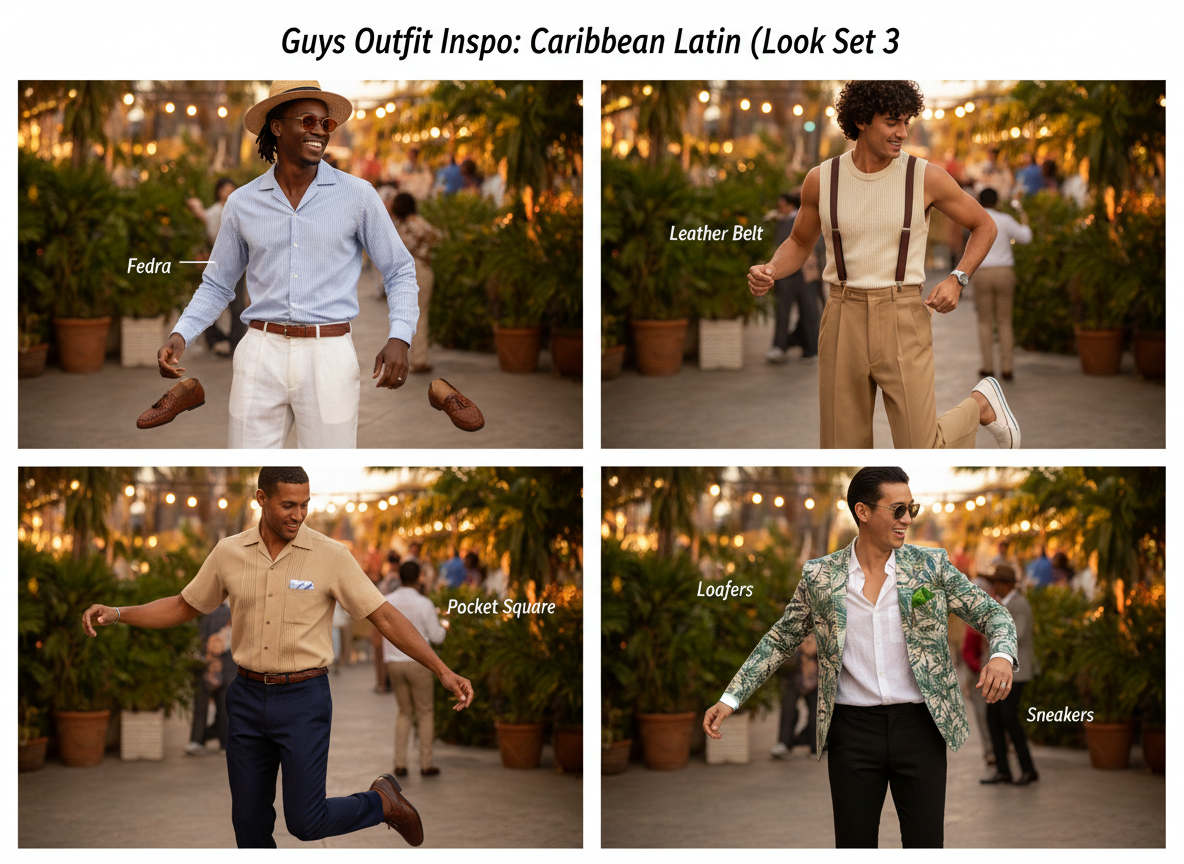
Look 1 · Fedra
Straw fedora · Linen shirt · White trousers · Woven loafers
Look 2 · Leather Belt
Suspenders · Knit tank · High-waist trousers · Sneakers
Look 3 · Pocket Square
Short-sleeve guayabera · Navy trousers · Leather shoes
Look 4 · Loafers
Tropical blazer · White shirt · Black trousers · Loafers
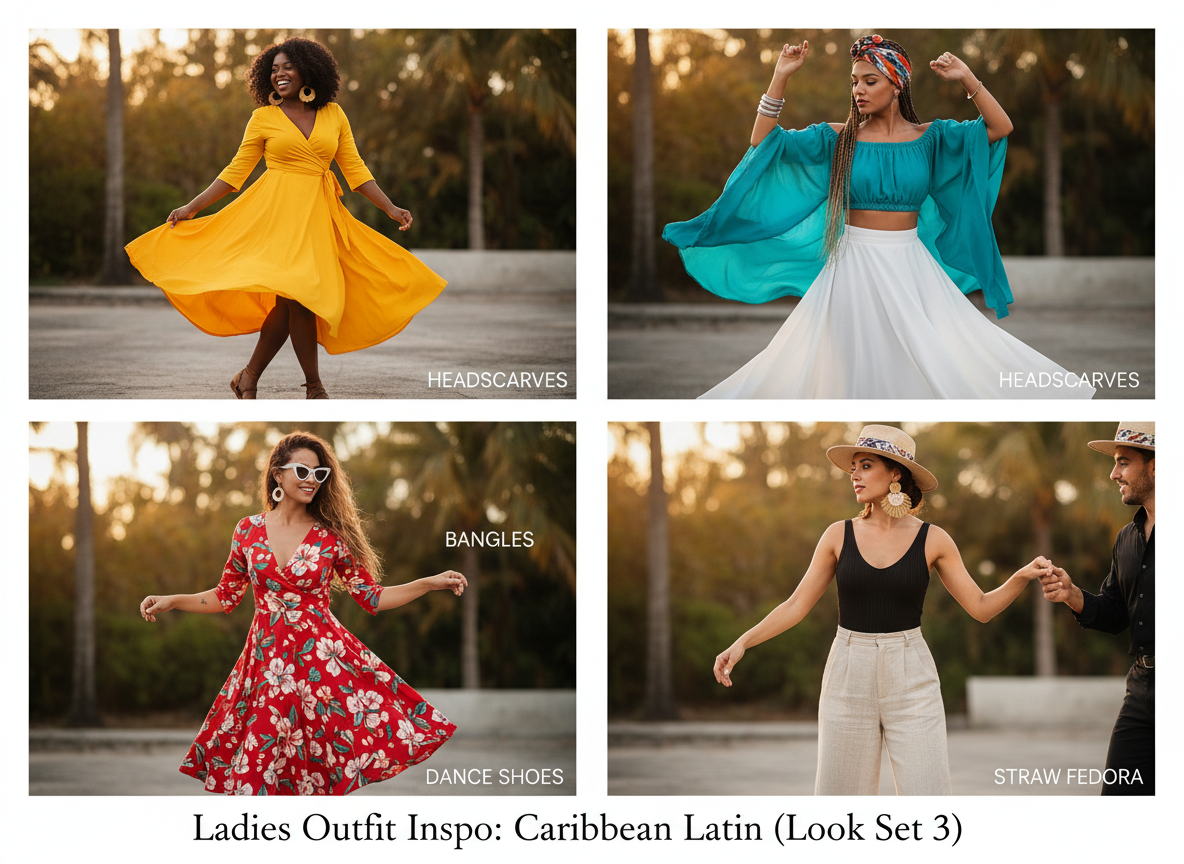
Look 1 · Headscarves
Yellow wrap dress · Bold earrings · Headscarves
Look 2 · Headscarves
Teal crop top · White palazzo pants · Headscarf
Look 3 · Bangles
Red floral wrap dress · Bangles · Dance shoes
Look 4 · Straw Fedora
Black bodysuit · Linen wide-leg pants · Straw fedora
The Dress Code
1950s Caribbean Formal — Encouraged, Not Required
The more people who dress the era, the more alive the night becomes. Come as you are — but come dressed if you want the full experience. Think island elegance: guayaberas, linen, tropical prints, Panama hats, cocktail dresses, pearls, and gold. The 1950s Caribbean was glamorous. Show up like it.
The Story
Guayabera Night
Latin Vibes Vol. 1 · 1950s New York · Date & Venue Dropping Soon
Why Guayabera Night?
The guayabera is the iconic shirt of the Caribbean — worn by Puerto Ricans, Cubans, Dominicans, and Mexicans across the Americas. In the 1950s, it was the uniform of the era. Men wore guayaberas to social clubs, to the Palladium Ballroom, to domino tables on the corner, and to church on Sunday. It represented pride, elegance, and cultural identity — a statement that said “I'm here, I'm proud, and I'm dressed for the occasion.”
In the 1950s, Puerto Ricans were arriving in New York City by the thousands — drawn by the promise of opportunity after the Jones-Shafroth Act and Operation Bootstrap. They settled in East Harlem (El Barrio), the South Bronx, and the Lower East Side. They brought Bomba, Plena, and the seeds of what would become Salsa. But they also faced discrimination, gang violence, and the tension of being caught between two worlds — the West Side Story tension of belonging vs. exclusion, heritage vs. assimilation.
Guayabera Night is our tribute to that era — the joy, the struggle, the music, and the movement that changed American culture forever. This is the real story. And we're bringing it back to life.
🇨🇺 Cuba in the 1950s
The Golden Age of Havana
Pre-revolution Havana was the most glamorous city in the Western Hemisphere — casinos, supper clubs, Mambo kings, and a nightlife that rivaled Paris and New York. The Tropicana nightclub, the Hotel Nacional, the Palacio de la Música — this was the golden age.
Celia Cruz was recording her first hits with La Sonora Matancera. Beny Moré was the undisputed King of Cuban music. The Mambo swept from Havana to New York and became a global phenomenon.
🇵🇷 Puerto Rico's Renaissance
Operation Bootstrap & El Barrio
Operation Bootstrap transformed Puerto Rico's economy and sent a wave of Puerto Ricans to New York City. They brought Bomba, Plena, and the seeds of Salsa — reshaping East Harlem (El Barrio) and the Bronx forever.
By the 1950s, New York City was the Caribbean's second capital. The Palladium Ballroom on 53rd and Broadway was the Mambo Mecca — where Tito Puente, Tito Rodriguez, and Machito battled for the crown every week.
🎺 The Soundtrack
The Music That Changed the World
The 1950s Caribbean soundscape was unlike anything the world had heard before. Tito Puente and Tito Rodriguez were battling it out at the Palladium Ballroom in Midtown Manhattan — the Mambo capital of the world. Cha-Cha-Chá was born in Cuba and conquered the globe. The Bolero was the sound of romance. And in the streets of El Barrio, something new was being born — the fusion that would eventually become Salsa.
⭐ Icons of the Era
The Legends Who Made It
Tito Puente
The King of Latin Music. His timbales at the Palladium Ballroom defined the Mambo era and made New York City the Latin music capital of the world.
Celia Cruz
The Queen of Salsa. Her voice was the sound of Cuba’s golden age — recording with La Sonora Matancera and electrifying audiences across the Americas.
Beny Moré
El Bárbaro del Ritmo. The most versatile Cuban musician of the era — Mambo, Bolero, Son — he could do it all and do it better than anyone.
Tito Rodriguez
Puente’s greatest rival. His orchestra at the Palladium was legendary — smooth, sophisticated, and the sound of a generation.
Machito
The father of Latin jazz. His Afro-Cubans were the first to fuse jazz with Afro-Cuban rhythms — changing American music forever.
Harry Belafonte
The King of Calypso. His music brought Caribbean rhythms to mainstream America and made the world fall in love with the islands.
🎲 The Culture
Dominoes — The Game of the Caribbean
In the 1950s Caribbean, dominoes wasn't just a game — it was a social institution. On every street corner in Havana, in every plaza in San Juan, in every backyard in Port of Spain, men gathered around the domino table. The slap of the tile on the table, the strategy, the trash talk, the camaraderie — dominoes was where the community came together.
When Caribbean immigrants came to New York City, they brought the domino table with them. In East Harlem, in the South Bronx, in Brooklyn — the domino table was a piece of home. At Guayabera Night, we bring it back. Come sit down, play a hand, and go back in time.
The Experience
What Happens That Night
Imagine walking into a space that feels like 1950s East Harlem, or a social club in the South Bronx, or a corner of pre-revolution Havana. The domino table is set. The Mambo is playing. Everyone is dressed in guayaberas, Panama hats, and tropical cocktail dresses. You sit down, you play a hand, you sip a cocktail — and for a few hours, you're living the golden age of the Caribbean in New York City.
This isn't a costume party. It's a cultural experience. Every detail — the music, the drinks, the dress code, the dominoes — is grounded in the real history of what it was like to be Puerto Rican, Cuban, or Dominican in 1950s New York. The joy, the struggle, the community, the music that changed the world.
The Dance

The Look
The Night
What to Expect
Dominoes
The game of the Caribbean. Sit down, play a hand, talk trash, and go back in time. Dominoes wasn't just a game — it was a social institution in 1950s Caribbean New York.
The Music
Mambo, Cha-Cha-Chá, Bolero, Son Cubano, Plena, Bomba — the soundtrack of 1950s Caribbean New York. Tito Puente, Celia Cruz, Beny Moré.
Cocktails
Mojitos, Cuba Libres, Rum Punch — the drinks that defined the era. Craft cocktails served in the spirit of the 1950s Caribbean golden age.
Dress Code
1950s Caribbean formal — guayaberas, Panama hats, tropical cocktail dresses, linen suits. Dress the era, live the moment.
Salsa Class
Learn the moves that were born in this era — Mambo, Cha-Cha, and the early roots of what became Salsa. Taught by Xavier Marzan, DVIDA certified.
Photo Ops
Themed photo moments throughout the night. Come dressed, leave with memories. The 1950s Caribbean look is unforgettable.
Cultural Story
Xavier tells the story of the Caribbean-Latinos who shaped 1950s New York City — the history, the music, the migration, and the movement.
Open to All
Puerto Ricans, Cubans, Dominicans, African Americans, and everyone in between. The real story of 1950s New York — open to all.
Dress Code
1950s Caribbean Formal
Think the way your abuelo dressed on a Friday night in 1955 — crisp guayabera, Panama hat, polished shoes. Or the way your abuela looked stepping out to the Palladium — tropical print dress, pearls, red lipstick. This is how Caribbean people showed up in the 1950s. Elegant. Proud. Ready for the night.
Dress code is encouraged, not required. Come as you are — but come dressed if you want the full experience. The more people who dress the era, the more alive the night becomes.
Coming
Soon
1950s
The Era
NYC
The City
Public
Open to All
Guayabera Night
Guayabera Night is the series premiere of Latin Vibes — an immersive 1950s Caribbean cultural experience. Venue, date, and ticket details coming soon. Sign up below to be the first to know.
Guayabera Night · Latin Vibes Vol. 1 · Coming Soon · X-CURSIONS IN MOTION
Sign Up for Latin Vibes
Guayabera Night is just the beginning. Vol. 2 — The Boogaloo & The Barrio (1960s–70s), Vol. 3 — Salsa Dura & Bachata Nights (1980s–90s), and Reggaeton Rises (2000s) are all coming. Sign up to be the first to know.
We'll only email you about Latin Vibes events. No spam.
The Latin Vibes Series
Latin Vibes is a pop-up cultural time-travel series by X-CURSIONS IN MOTION. Each edition transports you to a different decade of Latin culture in New York City — the music, the dances, the history, and the people who shaped it. Vol. 1 — Guayabera Night is coming soon.
Latin Vibes · A Pop-Up Cultural Time-Travel Series · X-CURSIONS IN MOTION · Est. 2012